If you trainer a junior footy team in Belmont, run team health and fitness courses at the local fitness center, or lead bootcamps by the river, you get on the cutting edge when something goes wrong. The minute a gamer falls down, an ankle joint twists severely, or a young adult goes pale and lightheaded, everybody looks directly at you.
That expectation is not unreasonable. You control the session, the atmosphere, and usually the intensity. Keeping that comes a task of treatment. Emergency treatment training is what turns that obligation right into functional activity instead of panic.
This overview takes a look at the skills that matter most for sports instructors and health and fitness trainers, and how a top quality first aid course in Belmont ties them with each other right into something you can in fact utilize on the field, in the fitness center, or at the studio.
Why first aid skills matter extra in sporting activity and fitness
Sport concentrates danger. You ask individuals to relocate quicker, lift larger, press harder, and compete against each other. You likewise see a wide mix old, health and fitness degrees, and concealed medical conditions.
In my experience, three patterns turn up again and again in sporting environments.
First, the "it's probably nothing" problem. Players and customers consistently downplay signs and symptoms since they intend to keep going. That turns mild warm fatigue into collapse, or an easy dizzy spell into a major incident.
Second, the crowded-chaos problem. Sidelines, adjustment rooms, and health and fitness classes are noisy and hectic. When something occurs, you need to cut through confusion to analyze promptly, provide clear directions, and keep control.
Third, the time aspect. In numerous emergency situations, minutes matter. Effective mouth-to-mouth resuscitation within the very first few mins of heart attack can double or triple the chance of survival. Hemorrhaging control in the initial couple of minutes can protect against shock. Having someone qualified nearby is worth greater than waiting on an ambulance, also in a suburban area too serviced as Belmont.
That is the actual worth of a Belmont first aid course for trainers. It is not only about ticking a conformity box. It is about awaiting the circumstances that truly occur around sporting activity and exercise.

The instructor's obligation of treatment in Belmont
Whether you train at an institution, handle a community group at Miles Park, or run a business fitness studio, you sit inside a structure of legal and moral responsibilities.
Most places and sporting bodies currently anticipate a minimum of one person existing to hold an existing emergency treatment certification. In most cases, they also need CPR training to be upgraded each year. When you try to find emergency treatment training in Belmont, you will see reference to "HLTAID011 Supply First Aid" and "HLTAID009 Provide cardiopulmonary resuscitation" or comparable systems. These codes connect to country wide identified competencies, not simply a generic certificate.
From a duty-of-care perspective, below is what issues in practice:
You should take reasonable actions to supply a safe environment. That includes having a fundamental emergency treatment package easily accessible, an emergency plan, and a person educated to make use of them.
You needs to react in such a way a fairly qualified individual with your training would respond. This is where high quality Belmont first aid training makes a distinction. If you have never ever practised CPR on a manikin or overcome a simulated back injury, it is much more difficult to act with confidence under pressure.
You needs to know when a circumstance exceeds your skill degree and call for specialist assistance. First aid is not about changing paramedics. It is about getting time and preventing damage until they arrive.
Good companies, such as First Aid Pro Belmont and various other certified organisations, build these assumptions into their programs. They teach you the skills, yet also the choice making behind those skills.
Core emergency situations trainers are most likely to face
Sport and fitness settings have their very own pattern of cases. Over many periods and courses, coaches tend to see the very same clusters: minor cuts and sprains, heat or chilly issues, taking a breath issues, and the periodic major event that transforms the entire tone of a season.
A Belmont first aid course that satisfies trains and trainers need to focus on these higher-likelihood scenarios.
Cardiac apprehension and CPR in energetic populations
People affiliate heart attack with older, less active adults, yet it can and does happen on playing areas and in fitness centers. Sometimes it is an undiagnosed heart condition in a teenager. In some cases it is a middle aged individual with threat variables they never pointed out in the pre-exercise form.
CPR training in Belmont commonly covers:
Recognising cardiac arrest. Unresponsive, not taking a breath normally (or gasping), no indicators of life.
Calling for aid and triggering an emergency situation action, including routing somebody plainly to call 000 and bring the AED.
Performing reliable compressions at the appropriate depth and price, and incorporating compressions with breaths if trained and willing.
Using an automated exterior defibrillator with confidence, complying with triggers even if you fidget or not sure about the underlying rhythm.
As a coach or teacher, you ought to insist on practicing these abilities not just in a quiet class, but in situations that really feel familiar: in the center of a "field", with sound in the background, or in limited health club rooms. Some Belmont first aid training providers are now proficient at simulating that reality.
Because mouth-to-mouth resuscitation skills fade quickly, registering in a cpr correspondence course Belmont at the very least every one year is more than a formality. Each refresher course rebuilds your muscle mass memory, corrects poor habits, and aligns you with present guidelines.
Breathing emergency situations: bronchial asthma and anaphylaxis
Community groups and group courses routinely include people with asthma, allergic reactions, or both. You may just find it when they start struggling.
Asthma assaults commonly develop gradually with lack of breath, hissing, or a coughing that does not resolve. Workout generated bronchospasm can show up a couple of mins after starting or quiting activity. Emergency treatment and cpr courses Belmont should aid you recognise very early indications, aid with reliever inhalers and spacers, and recognize when to escalate.
Anaphylaxis is quicker and more remarkable. It may begin with itching, swelling of the lips or face, or a sense of fear, and can progress to taking a breath problem, reduced blood pressure, and collapse. Coaches need to really feel comfortable utilizing adrenaline auto-injectors, checking the individual, and calling a rescue immediately also if signs enhance after the very first dose.
If your group or classes entail kids, urge that parents reveal asthma and extreme allergic reactions in creating. After that, map that information versus that carries inhalers or EpiPens, where spares are saved, and what you will do if a caretaker is not present.
Head knocks and suspected concussion
Any call sporting activity, along with sports including drops or equipment, will certainly create head overturns time. The days of "you will certainly be right, back on you go" are gone with good.
From a first aid point of view, you need to:
Recognise red flags that may indicate serious mind injury, such as repeated throwing up, getting worse frustration, confusion, seizure, or uneven pupils.
Respect the opportunity of trauma despite typical initial signs. Lots of players look "great" for the first few mins and degrade later.
Remove from play immediately and completely for that day if you think concussion. This is non-negotiable.
Concussion management standards are sport-specific, but your function as an initial aider is simple. Safeguard the athlete now, recommend medical evaluation, and do not bow to push from the player, parents, or teammates to let them return.
An excellent Belmont first aid course will certainly cover head and neck injuries, yet you can supplement that with concussion education and learning material from your sporting activity's governing body.

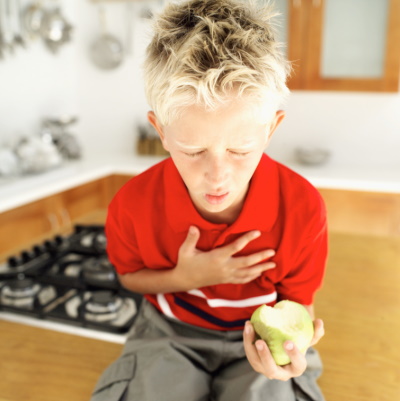
Fractures, sprains, and spine concerns
Lower limb strains, small fractures in the wrist or fingers, and bruised ribs are routine. Occasionally, though, you will see a loss or take on that makes you presume a busted arm or leg, dislocated joint, or spinal injury.
Your task is not to diagnose precisely what is broken. Your job is to minimise more harm.
Immobilise the hurt area in the setting discovered, sustain it with slings or extra padding if educated and risk-free to do so, and stay clear of unnecessary movement.
Monitor for shock. Pale, clammy skin, rapid pulse, or confusion need immediate attention.
With believed spinal injuries, keep the person still, support the head in a neutral position, and instruct spectators not to relocate them unless they are in immediate danger.
Many coaches feel tempted to "see if they can walk" or "get them to the car". After you have completed a Belmont first aid course, you will certainly understand why that can be dangerous. Waiting 15 minutes for paramedics is much better than turning a secure back injury into a tragic one.
Heat, dehydration, and collapse
Belmont's environment can be unrelenting on hard training days. Morning and night sessions help, but you still see gamers redden, stop sweating, or become confused.
Heat pains and mild exhaustion respond well to rest in the shade, trendy fluids, and steady cooling. Warm stroke does not. If a professional athlete's mindset is influenced or they stop sweating in intense warmth, treat it as an emergency. Aggressive cooling and fast ambulance activation are critical.
First aid training in Belmont must help you compare moderate and serious warmth problems, and offer you sensible cooling strategies that work at a park or oval, not just in a medical setting.
Non negotiable skills for instructors and instructors
A general Belmont first aid course covers a wide variety of topics. For sport and fitness experts, certain skills deserve unique attention.
Here is a portable abilities checklist to lead your training priorities:
Confident grown-up mouth-to-mouth resuscitation and AED use, consisting of in confined or exterior setups Recognition and administration of asthma attacks and anaphylaxis, consisting of use of inhalers, spacers, and EpiPens Assessment of consciousness, head injuries, and suspected concussion, with firm remove-from-play decisions Basic immobilisation of cracks and support for soft-tissue injuries, with keeping track of for shock Recognition of heat and cold emergency situations, dehydration, and collapse, with proper remainder, cooling, or riseWhen you register in emergency treatment and cpr Belmont courses, ask clearly just how much time they invest in these scenarios and just how much possibility there is for hands-on method rather than theory alone.
Preparing your venue or team environment
Even superb emergency treatment abilities lose influence if your environment is disorderly or under-equipped. Instructors who take emergency treatment seriously extend their impact beyond the certificate and right into how sessions are run.
Think via the fundamentals initially. Where is your first aid set throughout training or class, and who else recognizes? Just how promptly can you reach it if somebody drops beyond of the area? Does your set actually show the injuries you see? A generic kit may be light on instant cold pack, cohesive bandages, or saline for eye injuries, every one of which serve in sport.
If you coach in Belmont throughout several places, or revolve premises, think about lugging a portable personal kit and then supplementing it with venue-based equipment. In this way you are never relying completely on a club that is locked, or a facility supervisor that is not present.
Next, map your emergency situation gain access to. Walk from your usual field to the road where a rescue would get here. Note the closest clear access point, gateway codes if pertinent, and any kind of obstacles. During your Belmont first aid course, situations will certainly frequently think help simply shows up. In reality, a person needs to go out and guide paramedics in, specifically at large facilities or school campuses.
Finally, practice your emergency functions with assistant instructors, captains, or senior participants. In a real case, you do not desire three individuals calling 000 while no one recovers the AED or handles the group. Nominate that calls, who fetches tools, that clears room, and that sustains you with group control.
Choosing the right first aid course Belmont needs to offer
Not all first aid programs are equal, and not every program is created with instructors in mind. When you check out Belmont emergency treatment courses, emphasis much less on the logo design and even more on what you will certainly leave able to do.
Use this brief choice overview as you contrast emergency treatment course Belmont alternatives:
Check that the provider is across the country approved and problems a recognised emergency treatment certificate Belmont companies and showing off bodies accept. Look at course web content and verify it covers CPR, asthma, anaphylaxis, and sports-relevant injuries, not just workplace dangers unassociated to your context. Ask how much of the day is practical, including mouth-to-mouth resuscitation on manikins, circumstance job, and use an AED. Aim for lots of hands-on practice, not simply slides. Consider program format and timing. Some carriers supply blended options where you total concept online after that go to a shorter practical session in Belmont, which suits hectic mentoring schedules. Check revival choices so it is very easy to book a cpr course Belmont each year and a complete first aid renewal every couple of years.First Aid Pro Belmont is among a number of carriers familiar with neighborhood showing off clubs and physical fitness businesses, but you ought to still assess fit based upon your certain needs, location, and schedule. Smaller sized groups commonly imply much more technique time, which is invaluable.
If you manage a club or a bigger fitness center, it can be worth setting up a Belmont emergency treatment training session on-site. Fitness instructors come to your place, see your layout, and tailor circumstances to your real setting, from adjustment areas to devices areas.
Integrating first aid into your training culture
First help is not something you pull out just when things go terribly wrong. The most effective trains I have dealt with construct safety habits right into the way they run every session.
Warm ups include fast visual scans. You get utilized to observing if a person looks off their normal standard. That gamer who is usually loud however is peaceful and light is worth a personal conversation prior to the session starts.
Hydration and warmth administration enter into your language, not second thoughts. You normalise breaks, color, and sunscreen. Professional athletes discover that reporting lightheadedness, limited breasts, or obscuring vision suggests maturity, not weakness.
You rehearse small circumstances with your aide coaches. A simple "If somebody decrease in the much edge, what do you do?" discussion, backed by skills from your Belmont first aid training, creates shared psychological designs. When a genuine case happens, nobody stands frozen waiting on direction.
You also push for transparent clinical information at registration or induction. That consists of bronchial asthma, allergies, heart conditions, diabetes, epilepsy, and current traumas. The even more you know in advance, the much less guesswork there is when something appears wrong mid-session.
Keeping your abilities existing and realistic
Certificates run out on paper, however skills can stagnate much faster. I have actually seen instructors perform textbook CPR the month after a course, and extremely reluctant, superficial compressions two years later on when they had not refreshed.
For any person proactively Belmont first aid in charge of teams, I advise:
Full emergency treatment and cpr course Belmont every three years, or as required by your controling body, to reinforce the wider variety of scenarios.
CPR refresher courses Belmont yearly, focusing on compressions, breaths, AED use, and acknowledgment of heart arrest.
Brief interior refreshers each period. Even a half an hour review of key evaluation, recuperation setting, and emergency situation contacts helps reset your response patterns.
Stay aware that standards do upgrade. As an example, compressions-only mouth-to-mouth resuscitation obtained prominence for untrained onlookers in some contexts, AED directions have become extra standard, and bronchial asthma and anaphylaxis protocols can alter as new gadgets or referrals show up. An organized Belmont first aid training program keeps you straightened with current finest method rather than out-of-date habits.
It is additionally worth reflecting after any kind of actual event. Once every person is risk-free, ask on your own and your group what worked out, what can be smoother, and what you want you had understood. That reflective loophole, coupled with official training, is where deep competence comes from.
The distinction a qualified train makes
Most emergency situations on the area or in the health club are not remarkable. They appear like a controlled reaction to an excruciating but convenient injury, followed by a safe journey to a center. Periodically, though, the stakes spike in secs. A heart quits. An athlete does not rise. A kid's throat tightens from a sudden allergy.
In those moments, individuals keep in mind whether the instructor froze or moved.
A solid Belmont emergency treatment course gives you the technological skills, and duplicated cpr training Belmont develops your self-confidence to act upon them. From there, you weave safety right into your preparation, interaction, and culture.
Sport and health and fitness are about pushing limits, going after efficiency, and structure area. Your emergency treatment skills are what make that quest as secure as it fairly can be. When you invest the moment into first aid and cpr courses Belmont has readily available, you are not only securing participants, you are also safeguarding your very own satisfaction each time you blow the whistle or press use the heat up track.